Elder care is a family responsibility. So why does it so often become one woman's?
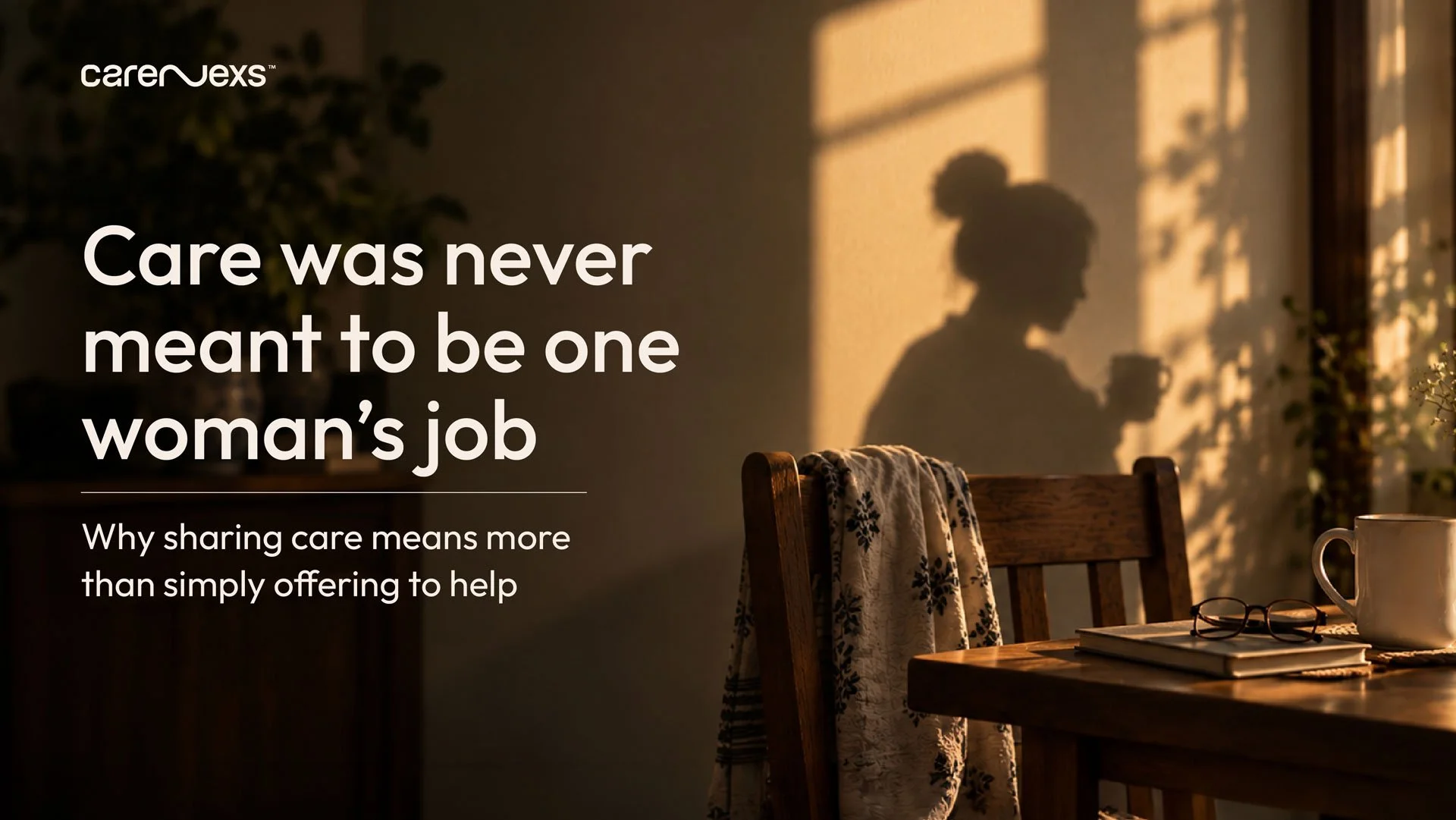
For eleven months, Suma had not slept through a night.
Her mother-in-law, Ammini, had fallen in the bathroom the year before. Since then Suma had quietly become the nurse, the scheduler, the cook, the one who woke at 3 a.m. when something felt wrong, all while raising two children and holding onto a part-time job that was slipping out of her hands. Her husband adored his mother, and Ammini's own husband worried for her in his own quiet way. The brother-in-law in Bengaluru called every Sunday, sounding genuinely concerned. But when Ammini's pressure needed checking, or her tablets needed sorting, or she simply needed someone beside her when she was frightened, there was only ever one name anyone thought of. Suma.
(Suma is not one person. She is a composite of women I have met through years of working with families caring for ageing parents.)
In many families, care is still treated as something women naturally provide. A daughter-in-law is expected to notice when the medicine strip is empty, remember the appointment, cook the right food, wake up when an elder calls out. Her husband may love his mother deeply, but love isn't the same as taking responsibility. Once care becomes one woman's default job, everyone else slips into the role of helper rather than owner, and helping is always optional in a way owning never is.
When the house fills with visitors and she's still the one making tea
In Kerala households I've encountered, illness rarely stays private. Word travels fast, and relatives arrive, genuinely fond of Ammini, wanting to see her, pray for her, ask how she's holding up. There's something lovely in that. But for Suma, each visit meant another round of tea, another retelling, another hour of hosting layered on top of medicines and meals. Most people weren't unwilling to help. They simply didn't know what help looked like once care had become a routine they never actually witnessed. They visited, they asked, they worried and the work kept landing on the same person. Sympathy notices tiredness from a distance. Empathy is what picks up the broom, or sits with Ammini so Suma can finally shut her eyes for a while.
The weekend that wasn't
One Sunday, the family insisted Suma take some time for herself. "Go," her husband said. "We'll handle Amma." She spent the afternoon at her sister's, answering her phone instead of resting. Where are the tablets? She's asking for you. She won't eat unless you feed her. By four, she was home. Her body had left the house for a few hours. Her mind never did. A break isn't really a break if the worry doesn't leave with you. Suma didn't need permission to rest. She needed the family to actually make rest possible.
What it finally took for things to change
Things shifted when Suma's own health finally gave out. Watching her daughter-in-law end up in hospital from exhaustion made Ammini reconsider something she'd never questioned. Her insistence that only Suma could bathe her, feed her, sit up with her at night had always felt like love, but it had cost Suma dearly. "Let someone else help sometimes," she said afterwards. "That doesn't mean you love me less. It means I love you enough to let go a little." Her words opened a door, but the real change came when the rest of the family walked through it. A daughter who lived further away started doing one thing each visit. She'd tell Ammini, "I'll look after Achan." Then, separately, to Suma: "Take Saturday. Go see your friends. I've got this." Not sympathy offered in passing, but responsibility actually handed over, with someone capable standing in her place.
A daughter-in-law is family, not hired help. When her time and her limits are treated as endlessly available simply because she lives under the same roof, that isn't devotion. It's exploitation dressed up as something gentler.
The grief nobody talks about
Caregivers like Suma may also be grieving quietly, watching a parent change a little at a time, with no ceremony and no real permission to mourn. This is sometimes called anticipatory grief, though it lands differently on everyone, sitting alongside love, exhaustion and even relief, all at once.
What families and systems both owe her
Ask your own family this week. What can the rest of us actually schedule, not just offer? Can she take leave without risking her job? Elder care planning that only looks at the elder misses the person making that care possible.
This is where community support can matter too, not as the whole answer, but as part of one. Services such as Carenexs can help families share the load, whether that's a trained companion for an afternoon, a nurse checking in so a daughter-in-law can finally sleep or simply someone else who shows up.
A family that looks after its elders must also look after the person making that care possible. Elder care should not quietly become one woman's unpaid, endless responsibility.
Who is your Suma? And what will you genuinely take off her plate this week?