
Sometimes the signs are subtle







Recognising changes early gives families more time to understand what's happening, have conversations and support what matters most.
CHANGES FAMILIES OFTEN NOTICE
It's often more than memory alone
Memory & Thinking
Forgetting names, routines or recent conversations more often than before
Health & Conditions
Missed medications or increasing difficulty managing health routines
Emotional Wellbeing
Becoming more withdrawn, anxious or emotionally sensitive
Daily Living
Tasks that once felt simple may require more support over time
Social Connection
Spending less time with friends, family or community
Safety at Home
Changes in mobility and confidence can affect independence
Memory is often the first thing families notice.
But changes can also appear in health, confidence, daily routines, relationships and emotional wellbeing.
WHY EARLY UNDERSTANDING MATTERS
The goal isn't to wait for a crisis
Memory changes often happen gradually. Recognising changes early gives families more time to understand what may be happening, including whether these changes could be linked to dementia and to access the right support.

Things families often tell us






The right support can make everyday life easier
Often, understanding a change is only the first step. The next is finding practical ways to maintain confidence, independence and quality of life.

Helpful Reminders
Voice assistants, calendars and routine prompts

Supporting Memory
Photos, music and reminiscence activities

Medication Support
Simple reminders that help maintain daily routines

Cognitive Engagement
Meaningful activities that keep the mind active

Staying Safe
Home monitoring and fall-prevention tools

Staying Connected
Tools that help families stay informed and involved
Looking to learn more?
RESOURCES IN MALAYALAM
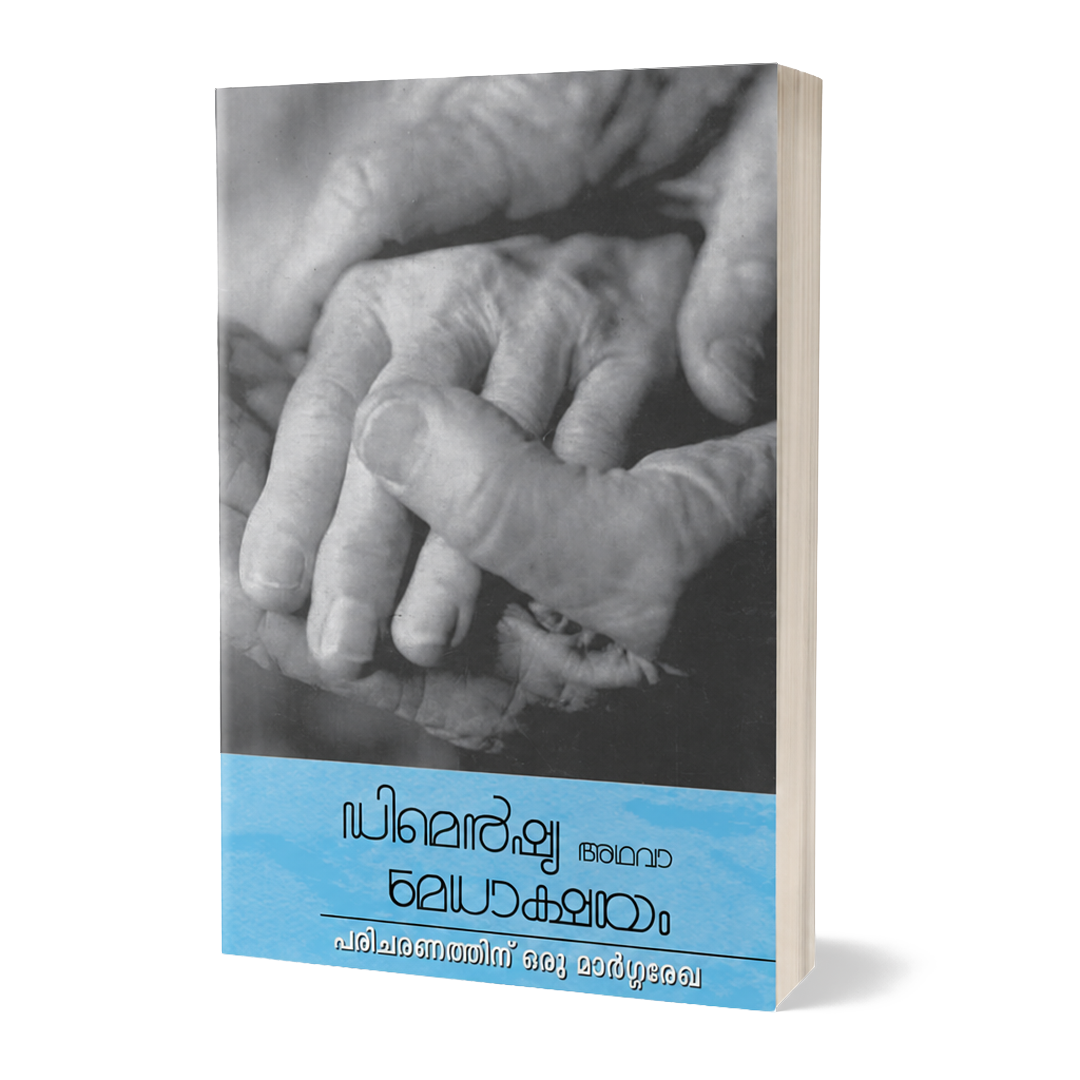
Looking for information about dementia in Malayalam?
The Dementia Care Handbook from the State Resource Centre for Older People Kerala provides practical guidance for families and caregivers navigating memory changes and dementia care.
Facing it shouldn't mean
facing it alone
Whether you're noticing changes in memory, confidence, health or daily routines, understanding what is happening is often the first step towards finding the right support.