Ageing is becoming
a shared family journey
People are living longer, healthier lives than ever before.
At the same time, families are increasingly spread across cities, countries and time zones.
Supporting older loved ones requires new ways of staying connected, informed and involved.

For generations, elder care was largely supported within extended families living close together.
Today, families are more mobile, smaller and geographically dispersed. While this creates new opportunities, it also makes coordinating care and staying involved more complex.
THREE SHIFTS RESHAPING AGEING
A different reality is emerging
01
Families Are
More Distributed
Children live in different cities or countries, creating distance between loved ones.
02
Longer Life
Expectancy
People are living longer, resulting in longer periods of active aging and support needs.
03
Evolving Care
Expectations
Families increasingly seek professional, coordinated and personalised care solutions.
THE NEW FAMILY MAP
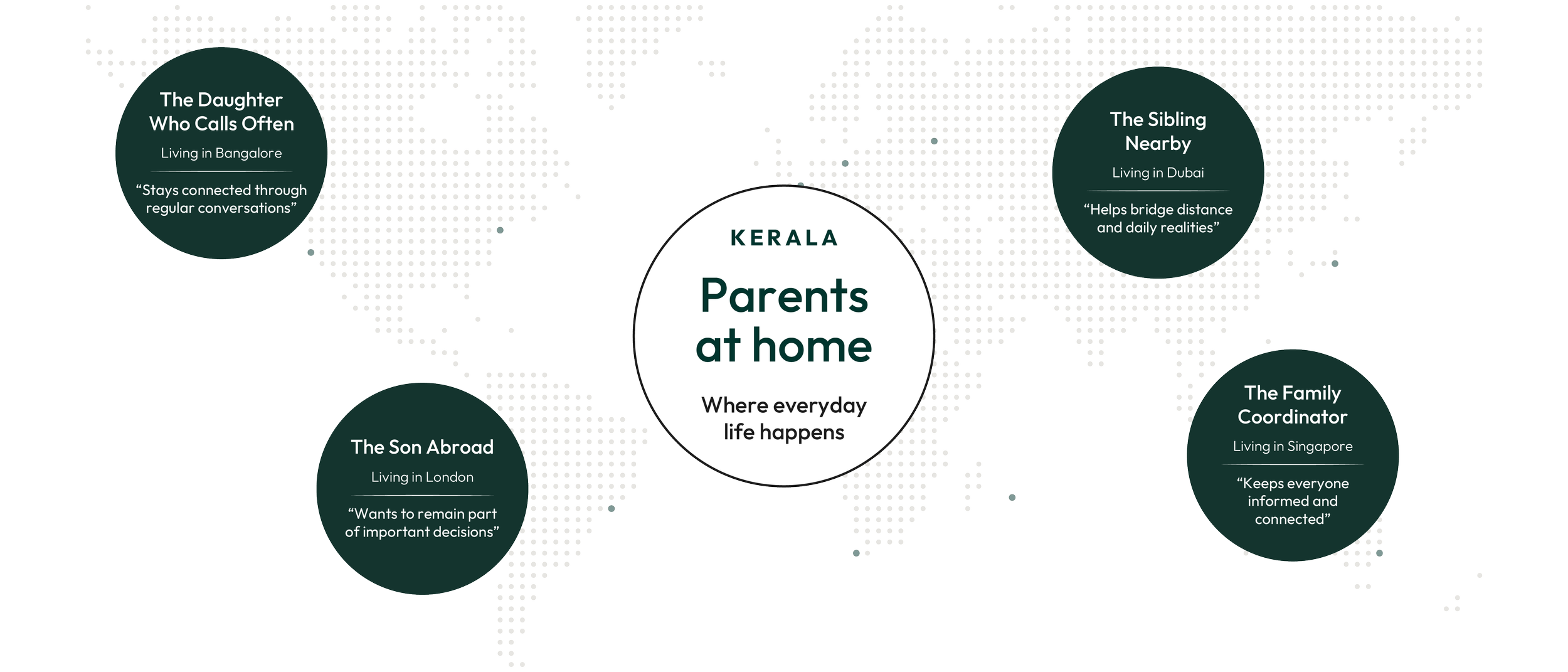
Distance doesn't mean disconnection
Families today often span multiple cities and countries. While physical proximity may be limited, meaningful involvement remains possible through communication, coordination and shared visibility into care.
WHAT FAMILIES TELL US
The challenge isn't distance
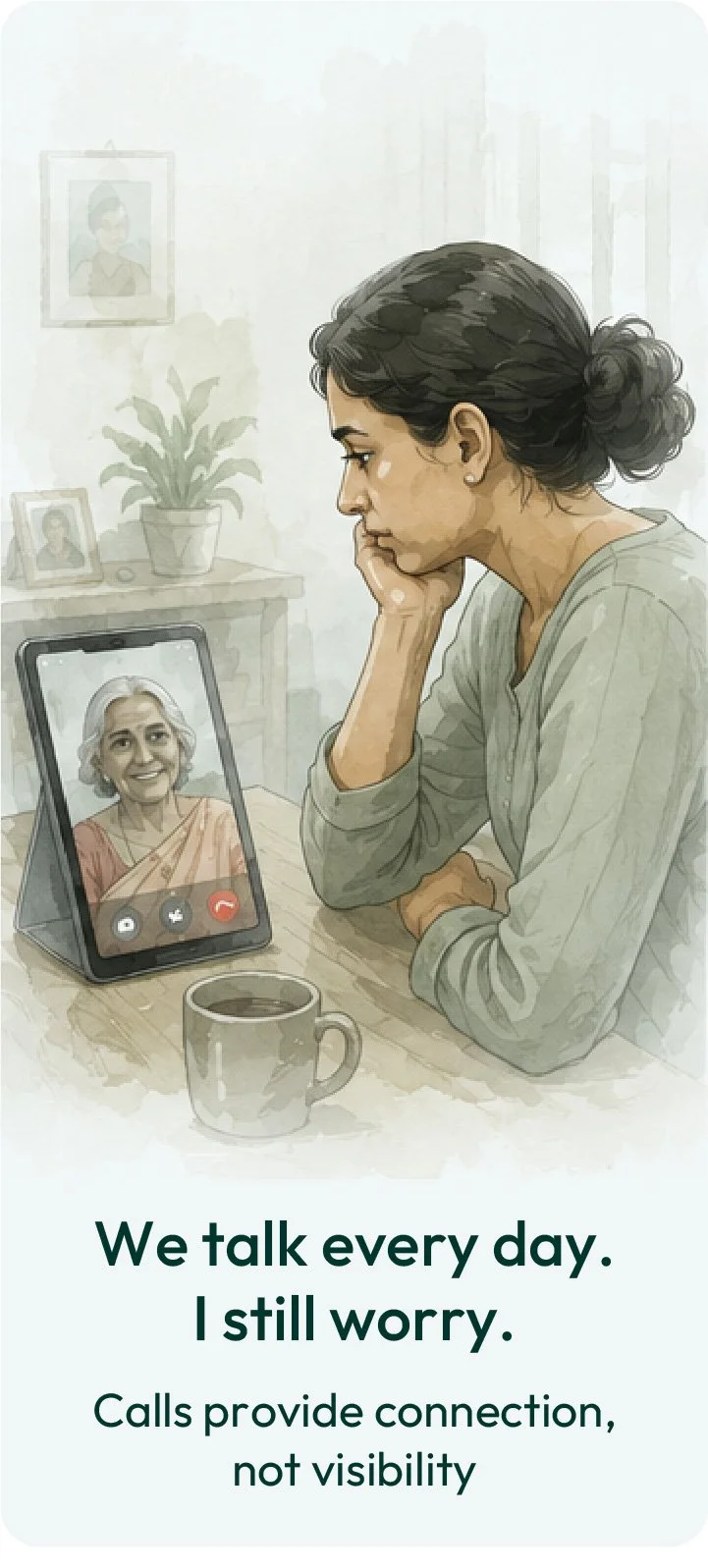
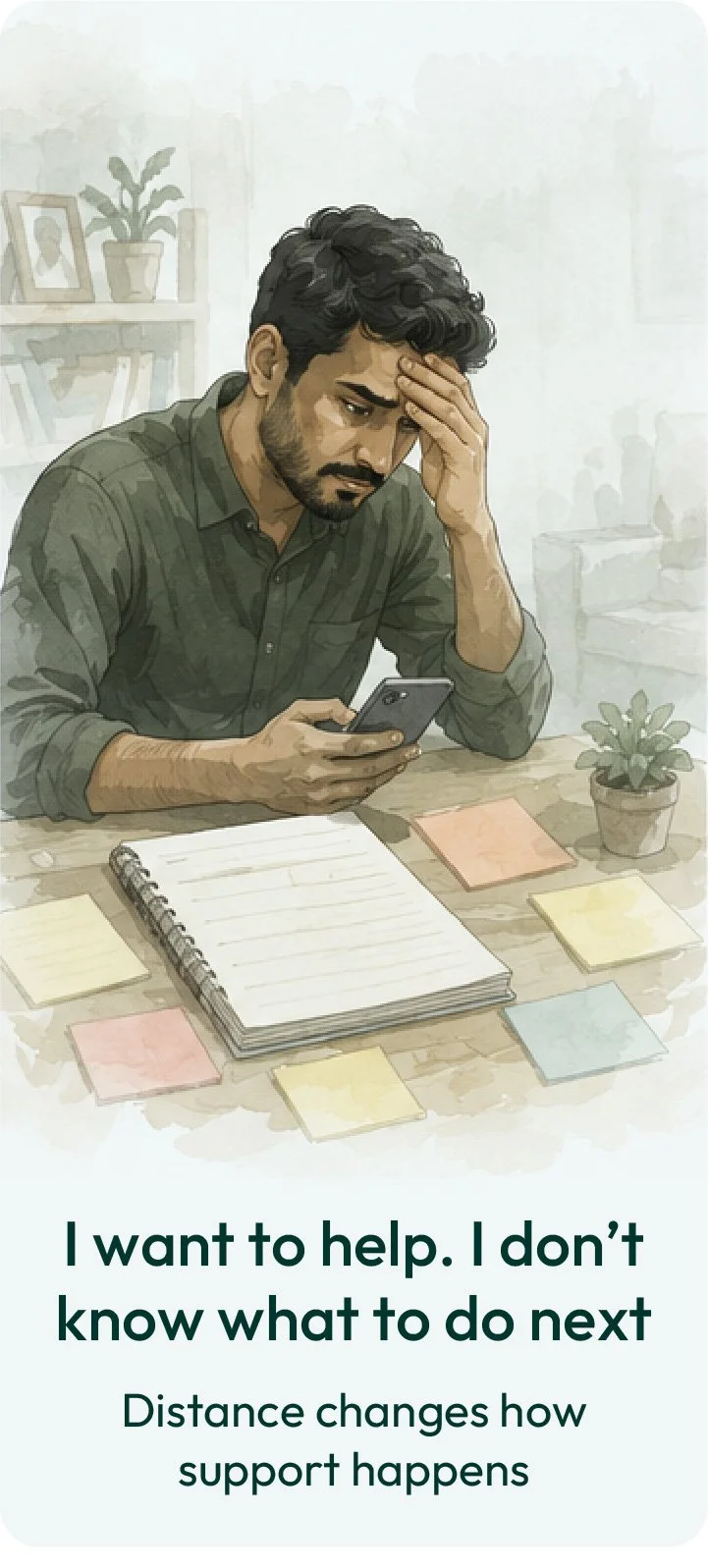
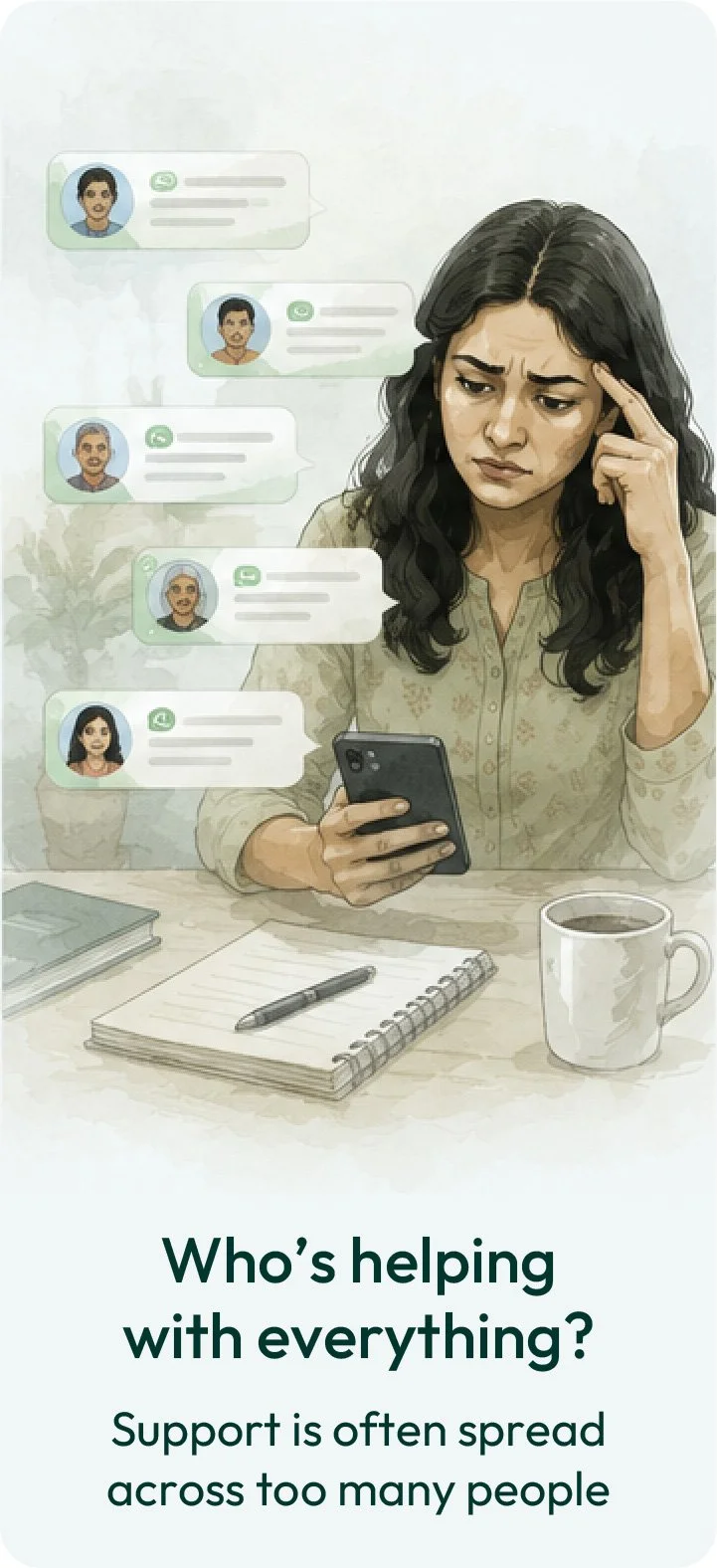
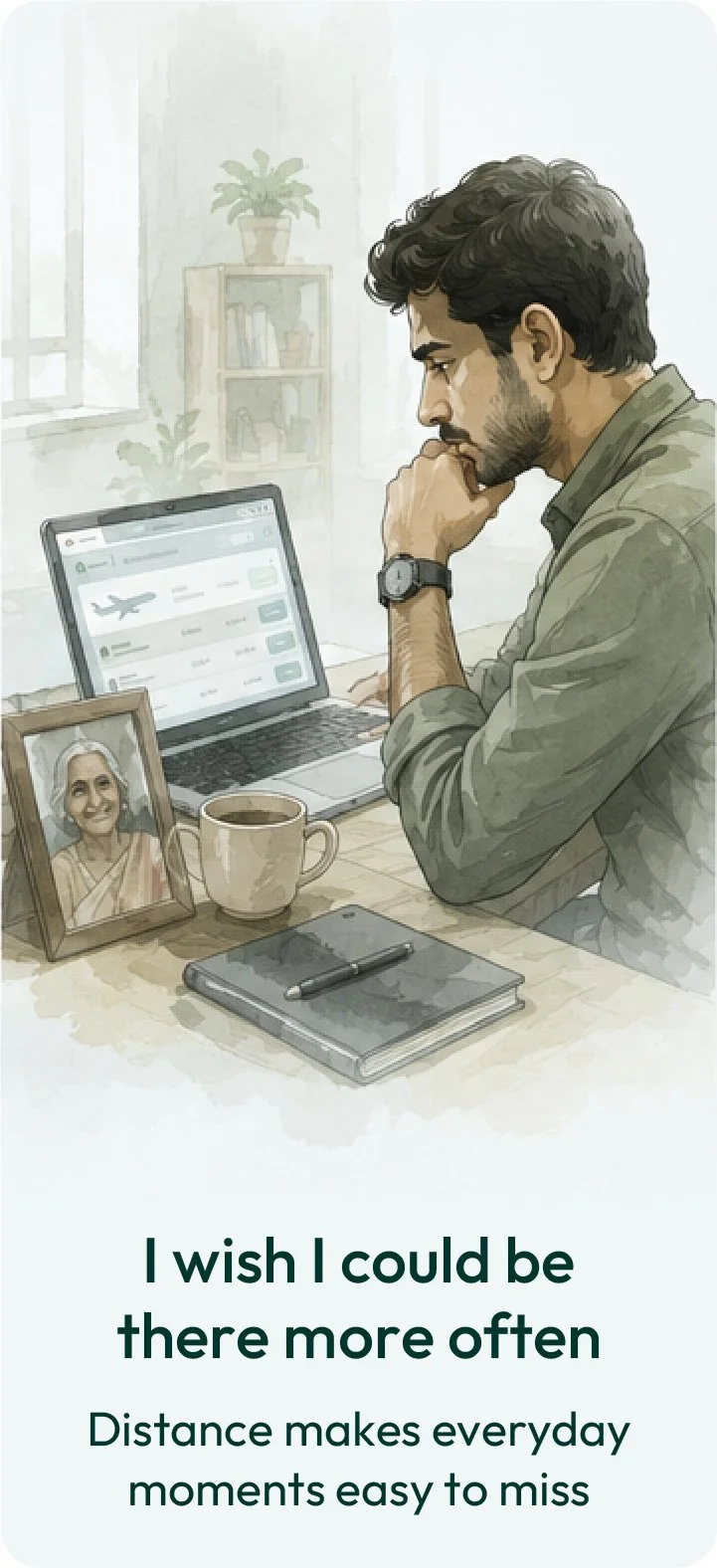
These concerns appear again and again in conversations with families supporting ageing parents from different cities and countries
A NEW REALITY
Kerala is entering a new chapter of ageing
Longer lives are a success story. But they also create new questions about support, connection and care.
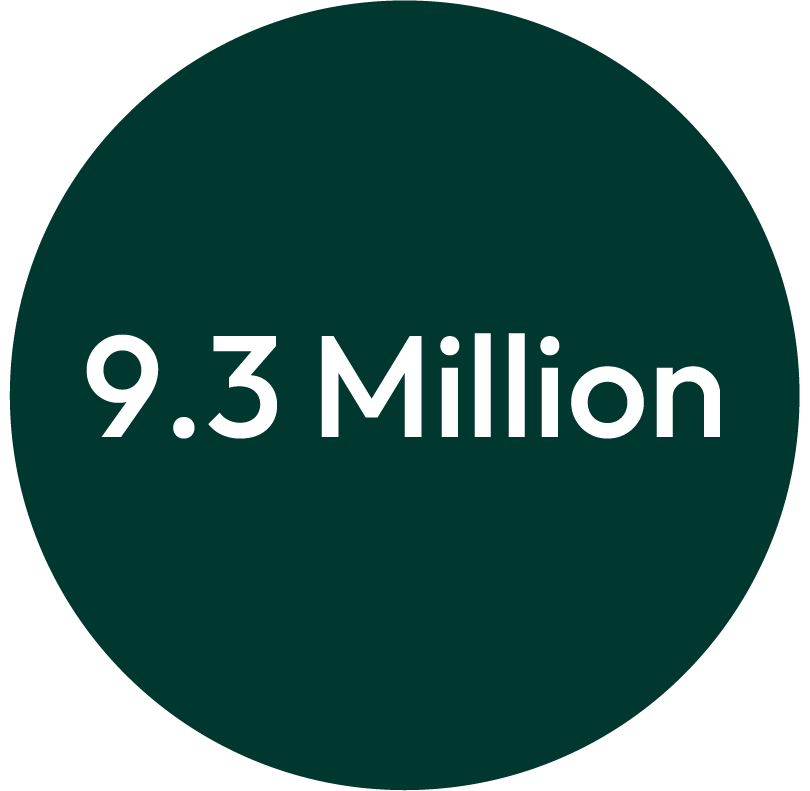
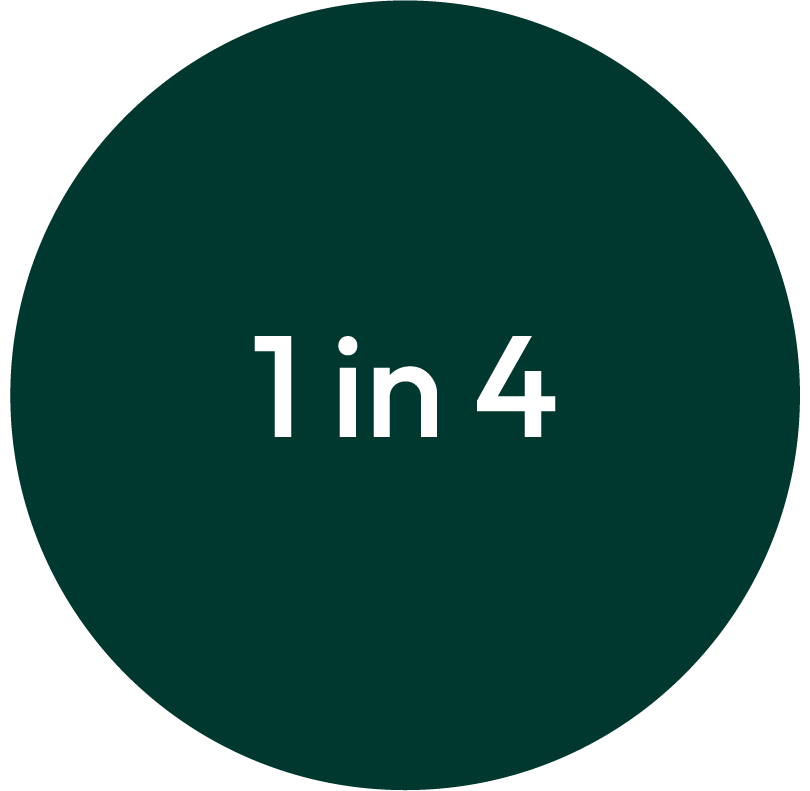
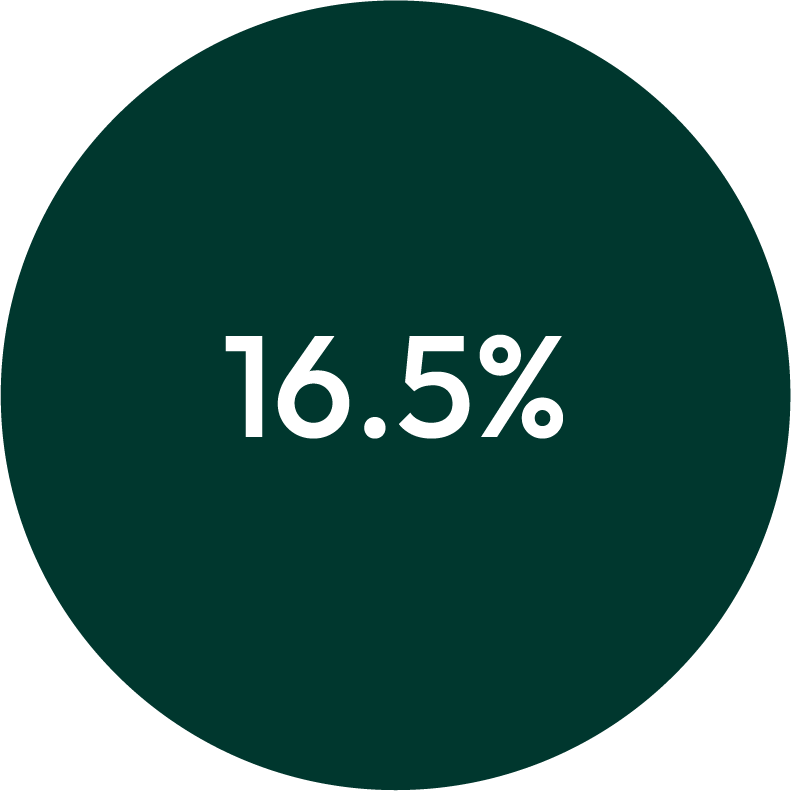
of Kerala's population
is already above 60
people in Kerala will
be above 60 by 2051
older adults
expected by 2051
WHY THIS MATTERS
Ageing is no longer only a health issue. It’s a coordination challenge.




Staying informed
Families often struggle to recognise changes early.
Staying coordinated
Support often comes from
multiple people and services.
Staying connected
Distance can make
involvement harder.
Staying confident
Families want to know
someone is keeping watch.
Most older adults aren't facing one challenge
-
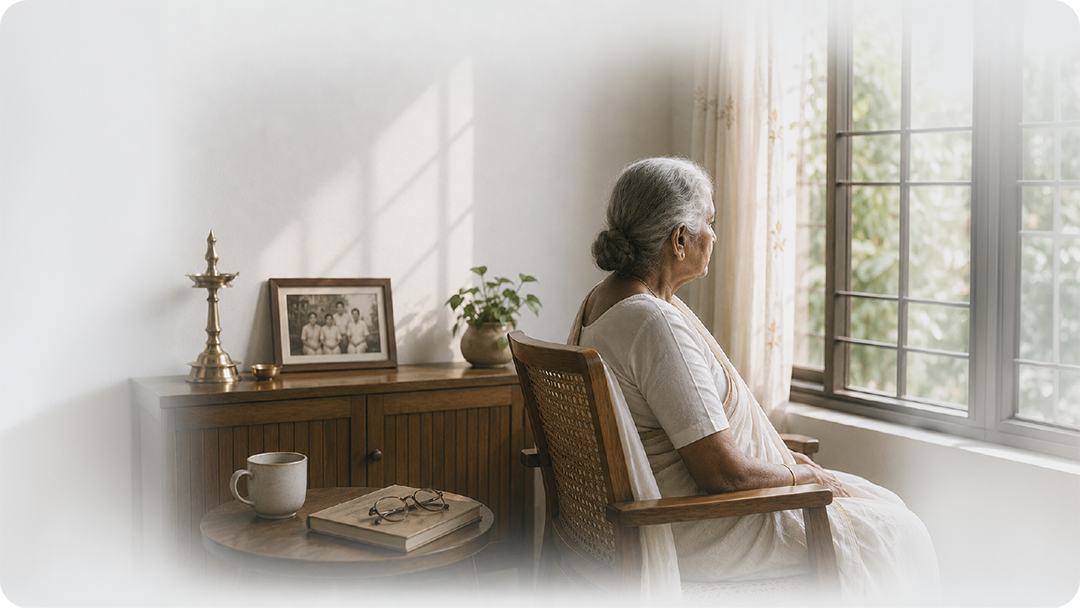
![Cozy corner with a wooden sideboard, framed photo, potted plant, and books. Wooden chair with a cushion, a mug, glasses, and a book on a round side table near a window with sheer curtains.]()
Staying Connected
As families become more geographically distributed, many older adults spend more time alone. Regular connection, visibility and emotional support become harder to maintain across cities and countries.
-
![Managing Health Over Time]()
Managing Health Over Time
People are living longer, often with multiple chronic conditions that require ongoing monitoring, coordination and support rather than occasional medical intervention.
-
![Supporting Longer Lives]()
Supporting Longer Lives
Women tend to live longer than men, often facing longer periods of widowhood, financial dependence and solo living in later life.
-
![Affording Care]()
Affording Care
Longer lives bring longer care journeys. Healthcare costs, home support, medications and caregiving needs can create significant pressure on families over time.