We are getting better at keeping people alive. Are we getting better at helping them live?
I watched a conversation recently, Katty Kay interviewing Dr Eric Topol on the BBC, that I have not been able to stop thinking about. Topol is one of the most respected cardiologists in the world. He is not selling anything. What he was saying was quietly uncomfortable.
We have added years to human life. Extraordinary numbers of years, in historical terms. But many of those added years are years of chronic illness, dependency, loneliness, and slow decline. The question he was really asking, the one that stayed with me, is whether we have confused keeping people alive with helping them live.
He calls it the health span problem. Not how long we live, but how many of those years we remain healthy, mobile, mentally engaged, connected to the people we love, and still feel that we have something to contribute.
That gap, between lifespan and health span, is, as far as I can tell, one of the most important challenges facing elderly care today.
And I say that not from a position of having solved it. We are a relatively young organisation, and we're working to understand what this means in practice. But we believe it is the right question to organise ourselves around.
Because when you work with elderly people, or when you are simply a child watching a parent age, you see the difference quickly. The difference between an 80-year-old who is still curious, still connected, still themselves, and one who is medically stable but has quietly become invisible. Safe. Attended to. But not really living.
What Topol's work suggests, and what the research increasingly supports, is that much of this is not inevitable. The foundations of healthy ageing are already known and largely inexpensive: regular movement, genuine social connection, nutritious food, good sleep, a sense of purpose, and the feeling that you still have some say over your own life. These are not supplements or procedures. They are the texture of a decent daily life.
The harder question is whether the systems we have built around elderly care, the assessments, the care plans, the programmes, the policies, are actually designed to support these things. Or whether they are still primarily designed to respond to crisis and manage disease, while the real work of living happens somewhere off to the side, mostly ignored.
That is the shift the sector needs to think seriously about, and I do not think it is a small one.
It requires elder care organisations to ask different questions at assessment, not just what diagnosis a person carries, but what gives them a reason to get up in the morning. It means building social connection into care as deliberately as we build medication management. It means helping families understand that their role is not just to ensure safety, but to support continued living. It means caring about a person's oral health, their grief, their autonomy, their sense of identity, because all of these affect physical health in ways that clinical notes often miss entirely.
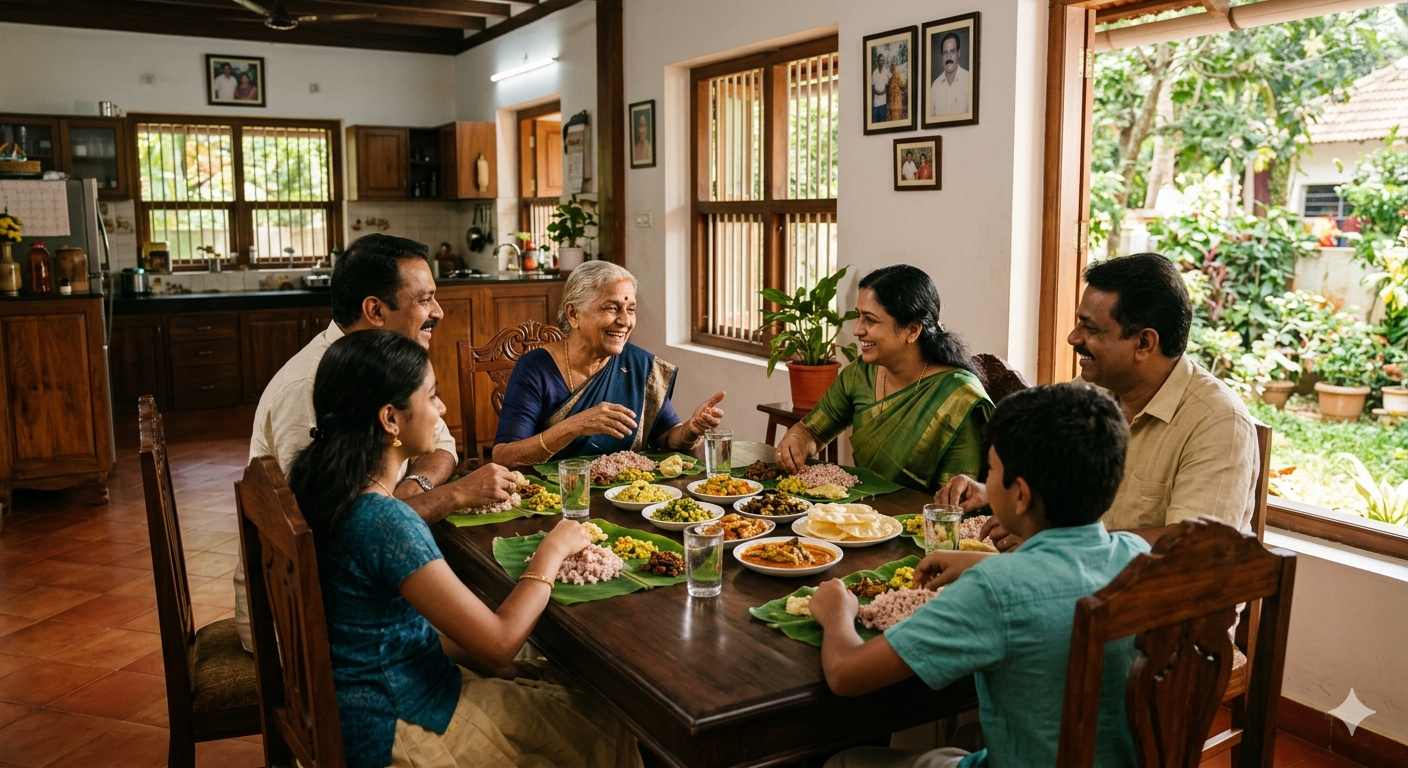
None of this is easy in practice. Resources are limited. Families are under pressure. The healthcare system is still largely built around acute illness. And the people we serve are genuinely vulnerable.
But the direction matters. And the conversation is worth having, honestly.
This is where Carenexs is trying to move, not because we have arrived, but because we think the field needs organisations willing to orient themselves this way, even as we still work out what it means on the ground.
I am curious what others think. Especially those of you who are already doing this work, in care organisations, in hospitals, in policy, in families. What does the shift from lifespan to health span look like in practice? What have you tried? What has worked, and what has been harder than expected? What do families actually respond to when you frame it this way? And what gets in the way?
I would genuinely like to know. The challenges here are bigger than any one organisation, and the people working on them deserve more open conversation with each other.
Inspired by the BBC Reel conversation “Lifespan keeps rising. But health span may matter more.” Katty Kay in conversation with Dr Eric Topol. https://www.bbc.com/reel/video/p0nhd67s/watch
If you work in elderly care, support a family member, or care about how we age as a society, we would love to hear from you in the comments or directly.