
Lonely in a Full House: The Silent Struggle of Kerala’s Elderly
Shajimon V.K - Retired Bank Manager
Kerala is often celebrated — and rightly so. High literacy. Good hospitals. Long life expectancy. In towns like Kottayam, you’ll find beautifully maintained homes, well-stocked kitchens, regular medical check-ups at Caritas, Matha, or Medical Center, and children who ensure their parents lack nothing materially.
But there is something we don’t talk about enough. Behind all this visible care, many of our elderly are quietly lonely.
The Kerala Reality We Recognise. Take a typical situation in Kottayam.
Two children — one in Dubai, another in Bengaluru. They send money home regularly. The house is renovated. There’s a new TV. A home nurse may visit. Groceries arrive on time.
Yet Amma or Achan spends most of the day alone.
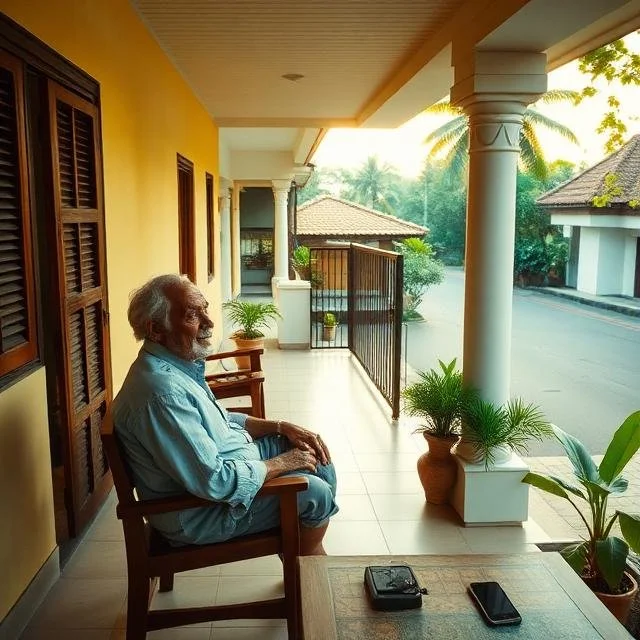
After morning tea, they may sit on the veranda watching the road. They check the gate when a bike passes. They wait for the phone to ring. By afternoon, silence fills the house. In the evening, the television becomes the only voice in the room.
Physically, they are cared for. Emotionally, they are isolated. The old joint family system that once defined Kerala — especially in districts like Kottayam — has slowly changed. Migration brought prosperity. But it also brought distance.
What Is the Real Problem?
In Kerala, studies on ageing consistently point to one growing issue: emotional isolation. And loneliness doesn’t remain just a feeling. It slowly becomes:
Anxiety, Depression, Irritation or sudden anger, Fear of being unsafe. A deep sense of “I am no longer needed”
Old age already brings body pain — knee pain, diabetes, BP issues. But when emotional pain joins it, everything feels heavier. Sometimes elders become short-tempered. Sometimes they go silent. We may label them as “difficult.” But often, it’s not anger — it’s insecurity.
They don’t know how to say, “I feel alone.”
The Simplest Solution: Someone to Talk To
The solution is not complicated.
In many cases, what they need most is someone who truly listens. Imagine arranging a person who calls or visits them at a fixed time — every day at 5 PM, or twice a week. Not as a formal caretaker. But as a companion.
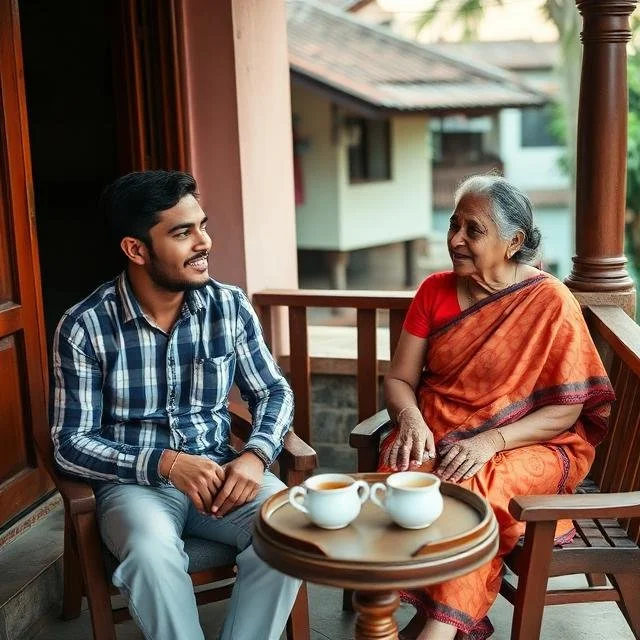
In Kottayam, this could even be: A local college student, A neighbour, A church or temple volunteer, A Kudumbashree member, A retired person who also wants company, And what do they talk about?
Whatever the elder wants:
Kerala politics, Rubber prices and farming, Old Kottayam town memories, Church festivals, Temple poorams, Old Malayalam cinema, Stories from the Gulf days
The listener should not argue. Not correct. Not debate. Just listen.
When elders feel heard, they feel respected. When they feel respected, they feel alive again.
Sometimes one meaningful conversation can brighten their entire week.
Take Them Out — Even for Small Things
Loneliness reduces the moment elders feel included. In places like Kottayam, simple outings can make a huge difference:
Taking them to the market at Kanjikuzhy, Shopping in one of the textile shops, Going together to buy vegetables, A short visit to a common friend in Ettumanoor, A cup of tea at the Indian coffee house, Attending Sunday Mass together, Visiting the temple during festival time, Even a short evening walk near their home
When someone walks beside them, they feel secure. They feel they still belong to society.
It’s not about big trips. It’s about shared moments.
Speak With Care — Not Correction
Many of us unintentionally hurt elders by constantly advising them.
Instead of:
“You should not think like this.”
We can say:
“I understand why you feel that way.”
“I know it must be difficult.”
“I’m here with you.”
At this stage of life, they need empathy, not instruction.
They have lived longer than us. What they want now is not guidance — it is dignity.
Creating a Feeling of Safety
A big part of elderly anxiety in Kerala today is safety.
“What if I fall?”
“What if I get sick at night?”
“What if no one hears me?”
Small measures can change everything:
A fixed daily phone call at the same time, An emergency alarm system, A neighbour who checks in regularly, A WhatsApp group with nearby relatives, A local volunteer who can come quickly if needed
When they know someone is reachable, fear reduces.
Safety brings peace. Peace brings happiness.
We Teach Baby Care. What About Elder Care?
Kerala conducts parenting classes, baby care sessions, prenatal counselling — all important.
But how often do we teach young people how to care for ageing parents?
Schools, churches, temples, NSS units, resident associations in Kottayam — all can start conversations about elder care.
Caring for the elderly requires:
Patience, Calm communication, Respectful listening, Emotional maturity
Children must grow up understanding that caring for parents is not a burden. It is a continuation of love.
The Truth We Must Accept
Loneliness is not cured by money. Not by good food. Not by medicine.
It is cured by presence.
An elderly person should feel:
“I am not alone.” “Someone is waiting to talk to me.” “I am safe.” “I still matter.”
If we truly want a compassionate Kerala — whether in Kottayam, Kochi, or Kasaragod — we must go beyond physical care.
We must offer time.
We must offer listening.
We must offer dignity.
Because in the end, what our elders fear most is not illness.
It is invisibility.
Shajimon is a retired Bank manager who runs a school for differently-abled children -Jyothis School for Children with Challenges at Kumaranallor,. Shajimon can be reached at shajimonvk@gmail.com
