
വാർദ്ധക്യ ജീവിതഘട്ടം, ഒരു സമീപനം
വി ആർ ജോഷി
വാർദ്ധക്യം ജീവിതത്തിന്റെ സ്വാഭാവികമായ ഒരു ഘട്ടമാണ്. ശൈശവം, ബാല്യം, കൗമാരം, യൗവനം എന്നിവയെല്ലാം പിന്നിട്ടാൽ മനുഷ്യൻ എത്തുന്ന അടുത്ത പടിയാണ് വാർദ്ധക്യം. അതിനെ ഒഴിവാക്കാനാവില്ല; പക്ഷേ അതിനെ എങ്ങനെ കാണുന്നു, എങ്ങനെ ജീവിക്കുന്നു എന്നതാണ് പ്രധാനമായ കാര്യം.
ജീവിതത്തിന്റെ ഓരോ ഘട്ടത്തിനും സന്തോഷങ്ങളും വെല്ലുവിളികളും ഉണ്ട്. ഓരോ ഘട്ടവും മറ്റൊന്നുമായി ബന്ധപ്പെട്ടു കിടക്കുന്നു എന്നതും വസ്തുതയാണ്. വാൽസല്യവും കരുതലും സംരക്ഷണവും സഹായവും മാർഗനിർദ്ദേശങ്ങളും ഓരോ ഘട്ടത്തിലും ഉണ്ടാകും.. വാർദ്ധക്യത്തിനു മുമ്പുള്ള ഘട്ടങ്ങളിൽ ഇതെല്ലാം ഒരാൾക്ക് വേണമെന്നില്ല. ചിലതൊക്കെ ആവശ്യമായി വരില്ല. അതേസമയം വാർദ്ധക്യത്തിൽ ഇതെല്ലാം ഒരാൾക്ക് ആവശ്യമാണ്..
സാമ്പത്തികം, ആരോഗ്യം, ഒറ്റപ്പെടൽ, കുടുംബ ബന്ധങ്ങളിലെ അസ്വാരസ്യം തുടങ്ങിയവയാണ് പ്രധാനമായി വാർദ്ധക്യത്തിൽ നേരിടുന്ന വെല്ലുവിളികൾ.
ക്ഷേമപെൻഷനുകളുടെ പ്രായവും പെൻഷൻ പ്രായവും കടക്കുന്നതോടെ ആളുകൾ വാർദ്ധക്യത്തിൽ എത്തി എന്ന ഒരു മനോഭാവം ഉണ്ടാകുന്നു. പൊതുസമൂഹത്തിൽ സജീവമായി നിൽക്കുകയും സാധാരണ സാമൂഹ്യ പ്രശ്നങ്ങളിൽ ഇടപെടുകയും മറ്റും ചെയ്യുന്നവർക്ക് വാർദ്ധക്യം പെട്ടെന്ന് അനുഭവപ്പെടില്ല.
സാമ്പത്തിക ബുദ്ധിമുട്ടുള്ള ആളുകളെക്കാൾ കൂടുതൽ മാനസിക സമ്മർദ്ദവും ബുദ്ധിമുട്ടുകളും അനുഭവിക്കുന്നത് സാമ്പത്തികം ഉണ്ടായിട്ടും തങ്ങളുടെ കാര്യങ്ങൾ യഥാവിധി നടക്കുന്നില്ല എന്ന അവസ്ഥയുള്ളവർക്കാണ്.
മക്കൾ വിദേശത്തും മാതാപിതാക്കളിൽ നിന്ന് അകന്നും തങ്ങളുടെ സ്വന്തം കുടുംബജീവിതത്തിൽ മാത്രം ശ്രദ്ധിക്കുന്ന മക്കളുള്ള വൃദ്ധരായ മാതാപിതാക്കൾ അനുഭവിക്കുന്ന ഒറ്റപ്പെടലും അവഗണനയും ചിന്തിക്കുന്നതിനും അപ്പുറമാണ്.
പരസഹായത്തോടുകൂടി മാത്രം ജീവിക്കുന്ന സാഹചര്യമാണ് ഏറെ വെല്ലുവിളികൾ നിറഞ്ഞത്. ഓർമ്മക്കുറവ് കൂടി സംഭവിച്ചാൽ ജീവിതം പരിതാപകരമാണ്.
തങ്ങളുടെ ഇഷ്ടാനിഷ്ടങ്ങൾ എന്തൊക്കെയാണ് ഏതു വസ്ത്രം ധരിക്കണം ആരെയൊക്കെ കാണണം ആരൊക്കെയായി ചങ്ങാത്തം കൂടണം, സംസാരിക്കണം ഇത്യാദി കാര്യങ്ങൾ നിയന്ത്രിക്കപ്പെടുകയും തടസ്സപ്പെടുകയും ചെയ്യുന്ന അവസ്ഥ മാനസിക സമ്മർദ്ദങ്ങൾക്കും വിഷാദ രോഗങ്ങൾക്കും കാരണമാകും.
പണവും വാഹനങ്ങളും സ്വന്തമായി ഉണ്ടെങ്കിലും യാത്ര പോകുവാനോ കൊണ്ടുപോകുവാനോ ആത്മാർത്ഥമായി സഹായിക്കുന്ന ശമ്പളം പറ്റുന്ന സഹായികൾ പോലും തയ്യാറാവാത്ത സാഹചര്യം വർദ്ധിച്ചുവരുന്നു.
ആരോഗ്യപരിചരണത്തിന് ഡോക്ടറെ കാണുന്നതിനും ആശുപത്രിയിൽ പോകുന്നതിനും ഉണ്ടാവുന്ന തടസ്സങ്ങളേക്കാൾ ബുദ്ധിമുട്ടിക്കുന്നത് രോഗ വിവരങ്ങളും മരുന്നു വിവരങ്ങളും ഡോക്ടറും ആയി പങ്കുവെക്കാൻ കഴിയാത്ത സാഹചര്യങ്ങളാണ്. ദുർബലരും നിസ്സഹായരുമായ ആളുകൾക്ക് അർഹമായ പരിചരണങ്ങളും സഹായങ്ങളും ലഭ്യമായില്ലെങ്കിലും അനാഥാലയങ്ങളും സാമൂഹ്യ സന്നദ്ധ പ്രവർത്തകരും ചിലപ്പോൾ എങ്കിലും തുണയാവാറുണ്ട്.
സമ്പത്തും സൗകര്യങ്ങളും ഉള്ള ആളുകളെ സംബന്ധിച്ചിടത്തോളം പണം നൽകി സഹായം തേടാൻ കഴിവുണ്ടെങ്കിൽ പോലും അത് ഫലപ്രദമായ രീതിയിൽ ലഭ്യമാകാതെ പോകുന്നത് സർവ്വസാധാരണമാണ്.
സ്നേഹവും പരിഗണനയും സാന്ത്വനവും ആഗ്രഹിക്കുന്ന അന്ത്യനാളുകളിൽ സ്വന്തക്കാരുടെ സ്വാർത്ഥ താല്പര്യങ്ങളും സാമ്പത്തിക മോഹവും ഉള്ളിൽ വച്ചുകൊണ്ടുള്ള ഇടപെടലുകൾ അതിലേറെ മാനസിക പ്രശ്നങ്ങളാണ് വൃദ്ധരിൽ സൃഷ്ടിക്കുന്നത്.
ഓർമ്മയും ചിന്താശേഷിയും കുറയുന്നതിന് മുമ്പ് തങ്ങളുടെ താൽപര്യങ്ങളും ഇഷ്ടാനിഷ്ടങ്ങളും ആരോഗ്യ സംബന്ധമായ കാര്യങ്ങളും ചികിത്സാ വിവരങ്ങളും രേഖപ്പെടുത്തി വയ്ക്കുന്നതിനും അതനുസരിച്ച് സഹായങ്ങളും പരിഗണനയും കിട്ടുന്ന ഒരു സാഹചര്യം ഉണ്ടാവേണ്ടതുണ്ട്..
മുന്നോട്ടുള്ള ചില ചിന്തകൾ
1. സമൂഹ സൗഹൃദം ശക്തിപ്പെടുത്തുക
മുതിർന്ന പൗരന്മാർക്ക് ഒറ്റപ്പെടൽ അനുഭവപ്പെടാതിരിക്കാനും സാമൂഹികമായി സജീവമായി തുടരാനും പ്രാദേശിക പിന്തുണാ ഗ്രൂപ്പുകളും അയൽപക്ക ഒത്തുചേരലുകളും കൂടുതൽ ശക്തിപ്പെടുത്തണം.
2. വീട്ടിൽ വയോജന പരിചരണം മെച്ചപ്പെടുത്തുക
സ്വന്തം വീടുകളിൽ തന്നെ സുഖകരമായി കഴിയുന്നതിനായി ദൈനംദിന പിന്തുണ, സഹവാസം, വൈദ്യസഹായം എന്നിവ നൽകുന്ന വിശ്വസനീയമായ സേവനങ്ങൾ വികസിപ്പിക്കേണ്ടത് അത്യാവശ്യമാണ്.
3. സജീവമായ വാർദ്ധക്യം പ്രോത്സാഹിപ്പിക്കുക
പ്രാദേശിക ക്ലബ്ബുകൾ, ക്ഷേത്ര ഗ്രൂപ്പുകൾ, കമ്മ്യൂണിറ്റി പ്രവർത്തനങ്ങൾ എന്നിവയിൽ പങ്കെടുക്കാൻ മുതിർന്ന പൗരന്മാരെ പ്രോത്സാഹിപ്പിക്കണം. ഇതുവഴി അവർ മാനസികമായും സാമൂഹികമായും സജീവരായി തുടരാൻ കഴിയും.
ചില നിർദ്ദേശങ്ങൾ
മുതിർന്ന പൗരന്മാർക്ക്:
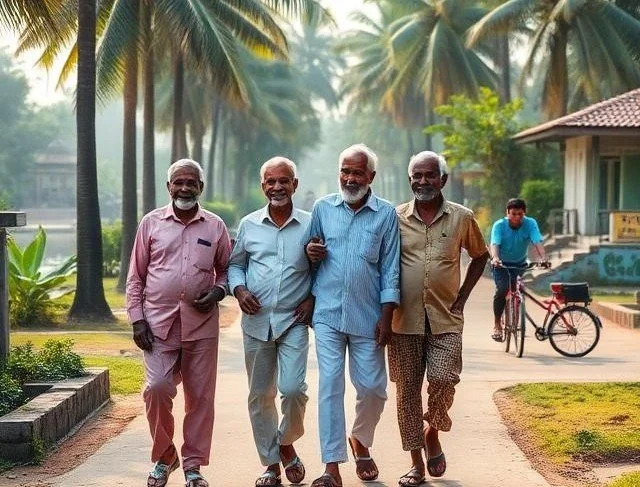
വാർദ്ധക്യം ജീവിതത്തിന്റെ ഒരു സ്വാഭാവിക ഘട്ടമാണ്. അതിനെ ഭയക്കേണ്ടതില്ല, മറിച്ച് സജീവമായി സ്വീകരിക്കേണ്ടതാണ്. ദിവസേന കുറച്ച് നടക്കുക, സുഹൃത്തുക്കളുമായി സംസാരിക്കുക, വായനയും ചെറിയ യാത്രകളും തുടരുക — ഇതെല്ലാം മനസിനും ശരീരത്തിനും നല്ലതാണ്. ആരോഗ്യപരമായ കാര്യങ്ങളും ചികിത്സാ വിവരങ്ങളും രേഖപ്പെടുത്തി വയ്ക്കുന്നതും ആവശ്യമായ സഹായം തേടുന്നതും ജീവിതത്തെ കൂടുതൽ സുരക്ഷിതവും സ്വതന്ത്രവുമായതാക്കും.
മക്കൾക്കും കുടുംബാംഗങ്ങൾക്കും:
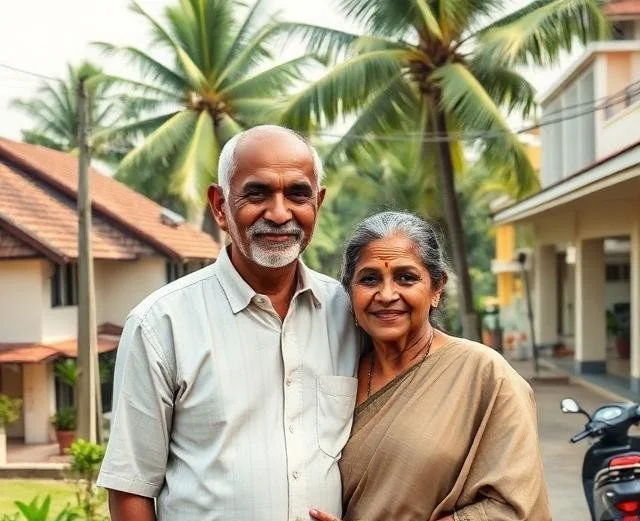
മാതാപിതാക്കൾക്ക് ഏറ്റവും ആവശ്യം പണവും സൗകര്യങ്ങളും മാത്രമല്ല; സ്നേഹവും ശ്രദ്ധയും കൂടിയാണ്. ഇടയ്ക്കിടെ സംസാരിക്കുക, അവരുടെ അഭിപ്രായങ്ങൾ കേൾക്കുക, ചെറിയ കാര്യങ്ങളിലും അവരെ ഉൾപ്പെടുത്തുക — ഇതൊക്കെയാണ് അവരുടെ മനസിന് ഏറ്റവും വലിയ പിന്തുണ. അവരുടെ സ്വാതന്ത്ര്യവും മാന്യതയും കാത്തുസൂക്ഷിക്കുന്ന ഒരു കുടുംബസമീപനമാണ് ഏറ്റവും പ്രധാനപ്പെട്ടത്.
Carenexs-നോട്:
മുതിർന്ന പൗരന്മാർക്ക് സ്വന്തം വീടുകളിൽ തന്നെ സുരക്ഷിതമായും മാന്യമായും ജീവിക്കാൻ സഹായിക്കുന്ന സംവിധാനങ്ങൾ വികസിപ്പിക്കുക എന്നത് വളരെ പ്രധാനമാണ്. ആരോഗ്യപരിശോധന, ദിനചര്യാ സഹായം, സാമൂഹിക ബന്ധങ്ങൾ ശക്തിപ്പെടുത്തൽ, യാത്രയിലും ചികിത്സയിലും സഹായം — ഇത്തരത്തിലുള്ള സമഗ്രമായ സേവനങ്ങൾ വഴി മുതിർന്നവരുടെ ജീവിതഗുണമേന്മ ഉയർത്താൻ Carenexs പോലുള്ള സംരംഭങ്ങൾ മുന്നോട്ട് വരണം. കുടുംബങ്ങളും സമൂഹവും ചേർന്ന് പ്രവർത്തിക്കുമ്പോൾ മാത്രമേ ആരോഗ്യകരവും മാന്യവുമായ വാർദ്ധക്യം സാധ്യമാകൂ.
Please connect - വി ആർ ജോഷി @70., സർവീസ് പെൻഷനർ & സോഷ്യൽ ആക്ടിവിസ്റ്റ്. Ph - 9447275809.
