
Enriching Daily Life of an elderly
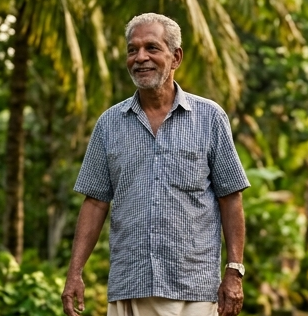

Progress here builds confidence, better nutrition, improved sleep, and a stronger sense of self - rippling across every other domain.
WHO - ICOPE

Start each day with one anchor activity you enjoy — a short walk, a cup of tea, morning prayer. Routine builds confidence.
Break bigger tasks into smaller steps. Getting dressed or cooking a meal feels more manageable one step at a time.
Helpful tools — grab rails, easy-grip utensils, non-slip mats — support independence, they don’t replace it.
Ask for help before tasks become impossible. Early support preserves far more independence than waiting for a crisis.
As a family member, observe before stepping in — ask what help is wanted rather than taking over

Vayomitram - Kerala
Support Networks - a critical strength

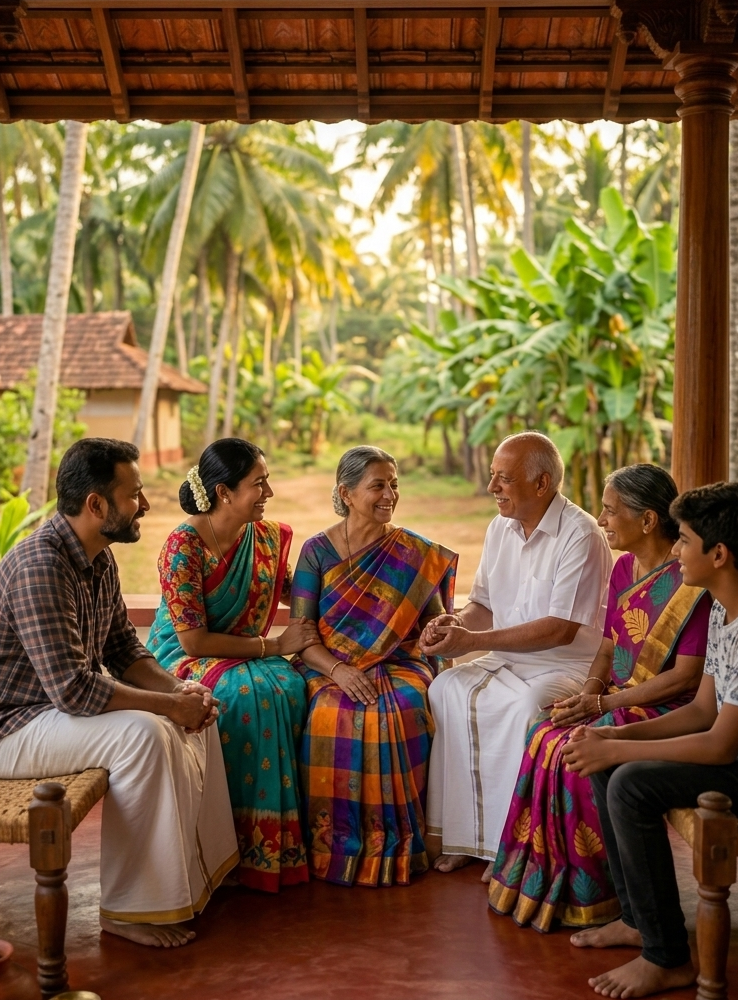

WHO - Aging & Social Connections
Stay in regular contact — even a brief call or short visit matters enormously to someone who lives alone.
Let the people around you know specifically how they can help. Telling them is a gift to both of you.
Maintain shared rituals — a weekly meal, a regular walk together, a morning call. These small routines are the threads of connection.
As a family member, share the responsibility with others. Distributed support prevents burnout and builds a richer network.
Accept help graciously. Allowing someone to support you deepens the relationship — it does not diminish you.


Vayomitram - Kerala
Social Life - a key to healthy aging
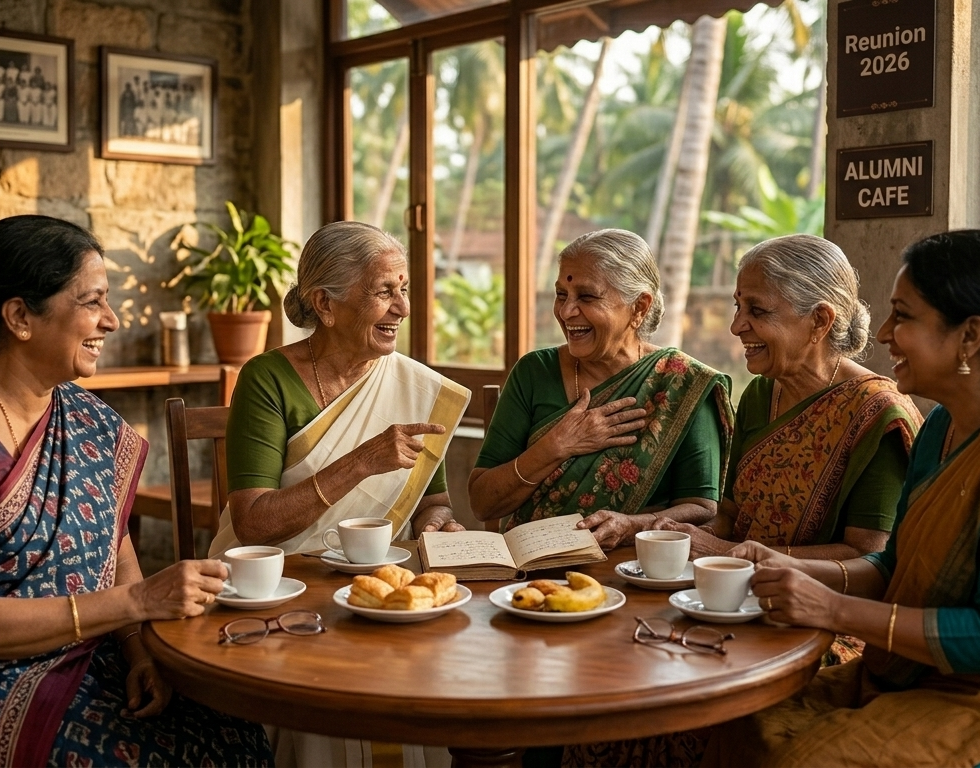
Progress here builds confidence, better nutrition, improved sleep, and a stronger sense of self - rippling across every other domain.
WHO - ICOPE
Commit to one group or activity you enjoy and attend regularly — consistency is what builds real connection.
Try something new — a reading group, a gardening club, a craft or music circle. New activities create new friendships.
Volunteering is powerful. Sharing your experience and skills with others brings purpose and deep satisfaction.
If leaving home is difficult, video calls and phone groups are real communities — technology is a door, not a barrier.
As a family member, offer to accompany an elder the first few times — the initial step is usually the hardest.
Vayomitram - Kerala
Mood & Comfort
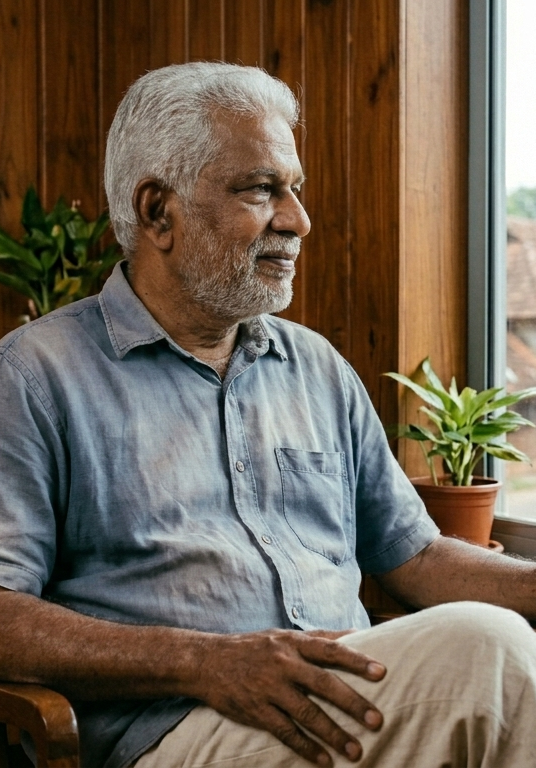
WHO - Aging & Social Connections
Talk to someone you trust about how you are feeling. You do not have to carry difficult emotions alone.
Stay engaged with things that bring you genuine joy — music, prayer, nature, cooking. Joy is not trivial. It is medicine.
Keep a gentle daily routine. Having something to look forward to each morning gives the day shape and energy.
Be patient and kind with yourself during periods of loss or change. Adjustment takes time, and that is entirely normal.
As a family member, ask "How are you feeling?" and really listen — without rushing to fix or reassure.
Vayomitram - Kerala
Health & Medical Care
Progress here builds confidence, better nutrition, improved sleep, and a stronger sense of self - rippling across every other domain.
WHO - ICOPE
• Know your key health numbers — blood pressure, blood sugar, weight. Understanding these gives you real power over your health.
• Keep a written list of all your medications — names, doses, and timing — and bring it to every appointment.
• Attend regular check-ups even when you feel well. Many conditions develop silently, and prevention is always better than cure.
• Write down your questions before medical appointments so you don't forget to ask. You have every right to understand your own care.
As a family member, keep a shared health record and accompany elders to key consultations — a second pair of ears always helps.
Vayomitram - Kerala
Home safety

WHO - Aging & Social Connections
Walk through your home with fresh eyes and look for hazards — loose rugs, poor lighting, items on walkways, cluttered stairs.
Install grab rails beside the bath, toilet, and any steps. These are among the most effective and affordable fall prevention tools.
Keep frequently used items within easy reach. Avoid climbing or stretching for things you need every day.
Ensure the home is well lit at night — a simple nightlight along the route to the bathroom prevents serious falls.
As a family member, do a safety walkthrough together and act on what you find. A hazard noticed and left unchanged is still a hazard.
Vayomitram - Kerala