
Monitoring Elderly Health
Ageing increases risk of chronic disease, falls and cognitive decline, many serious problems can be prevented or mitigated if deterioration is detected early. Continuous, low-burden monitoring preserves independence and reduces avoidable hospital admissions.

Our Approach is Based On Identified Good Practices Across the Globe
We believe in combining community and family outreach with simple at-home checks and technology (where appropriate) to build a compassionate, continuous safety net: regular screening, remote vitals where useful, rapid teleconsultation, and clear referral paths to seeking care
Health systems worldwide are increasingly using remote monitoring, smart homes and community-based approaches to help older people live independently while staying connected to care. Successful models blend technology with human support, clear governance, and strong data protection to maintain dignity and trust

Approaches to Elderly Monitoring
Stay Ahead of Health Risks with Elderly Monitoring
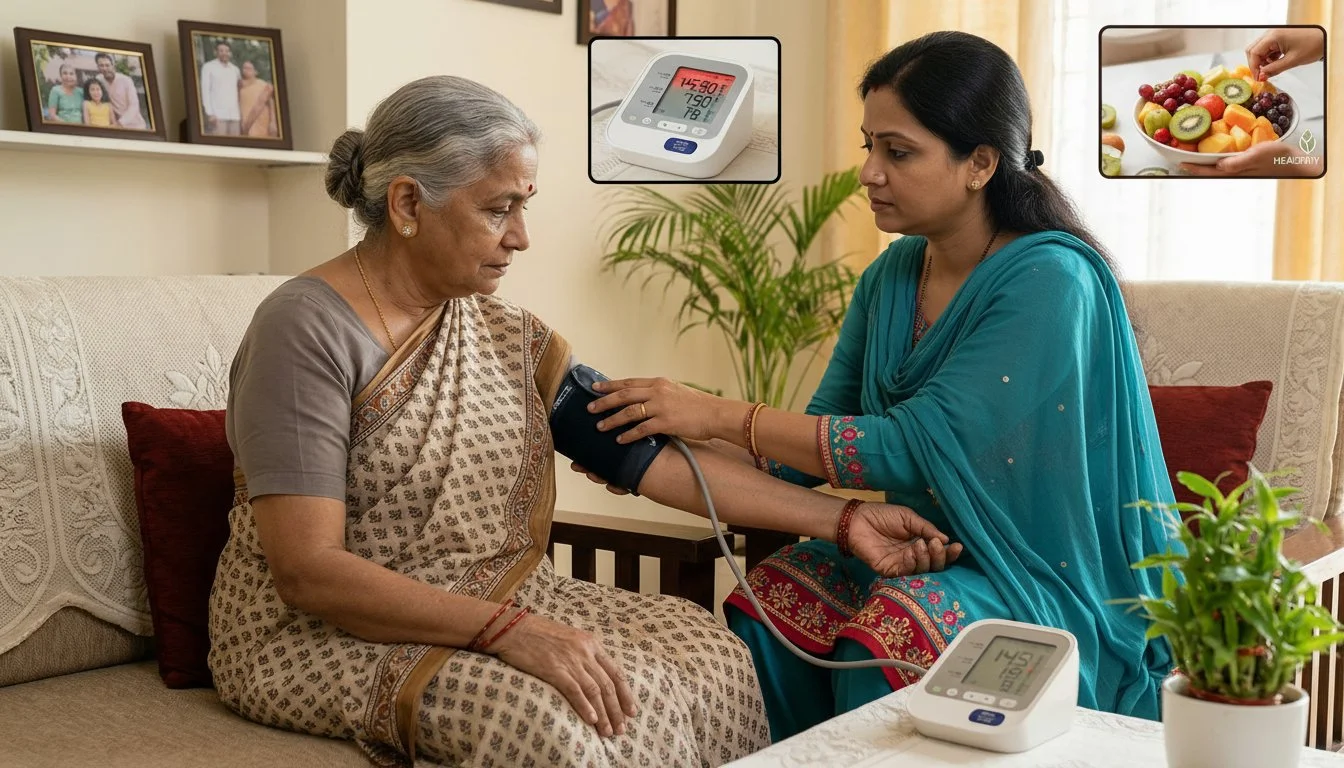
Provides early warnings for preventive action
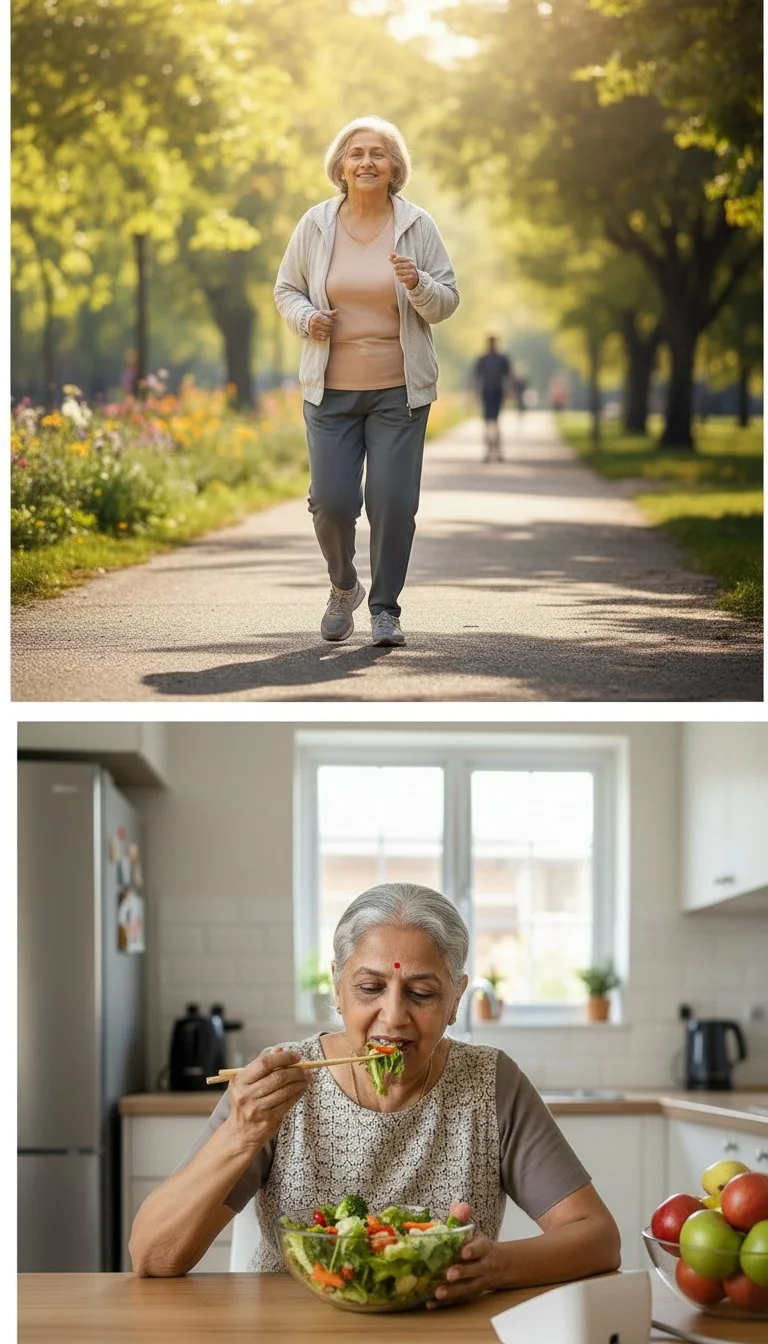
Reduces avoidable hospital visits with behavioural changes
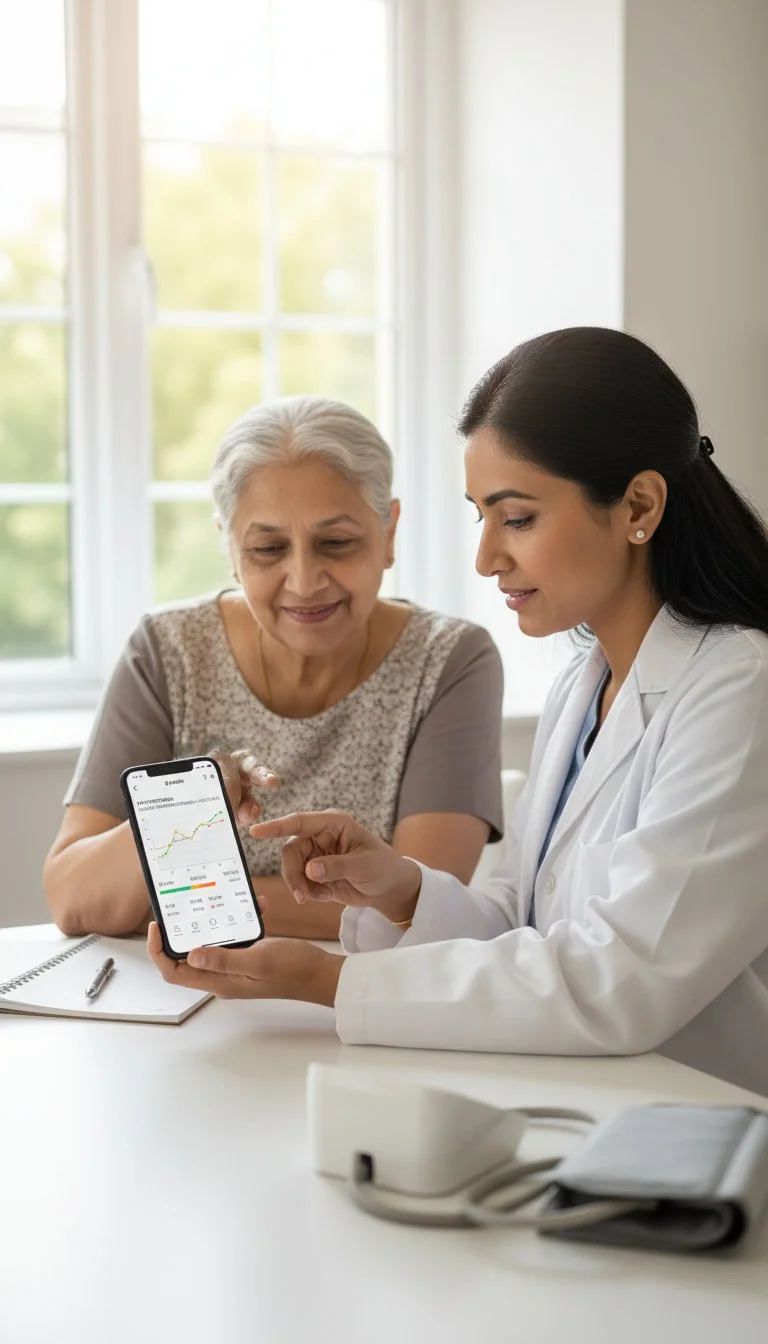
Ensures timely access to care providers with better data on the problem.
Regularly tracking an older adult’s health and functional ability is key to person-centered care. It helps detect changes early and enables timely interventions
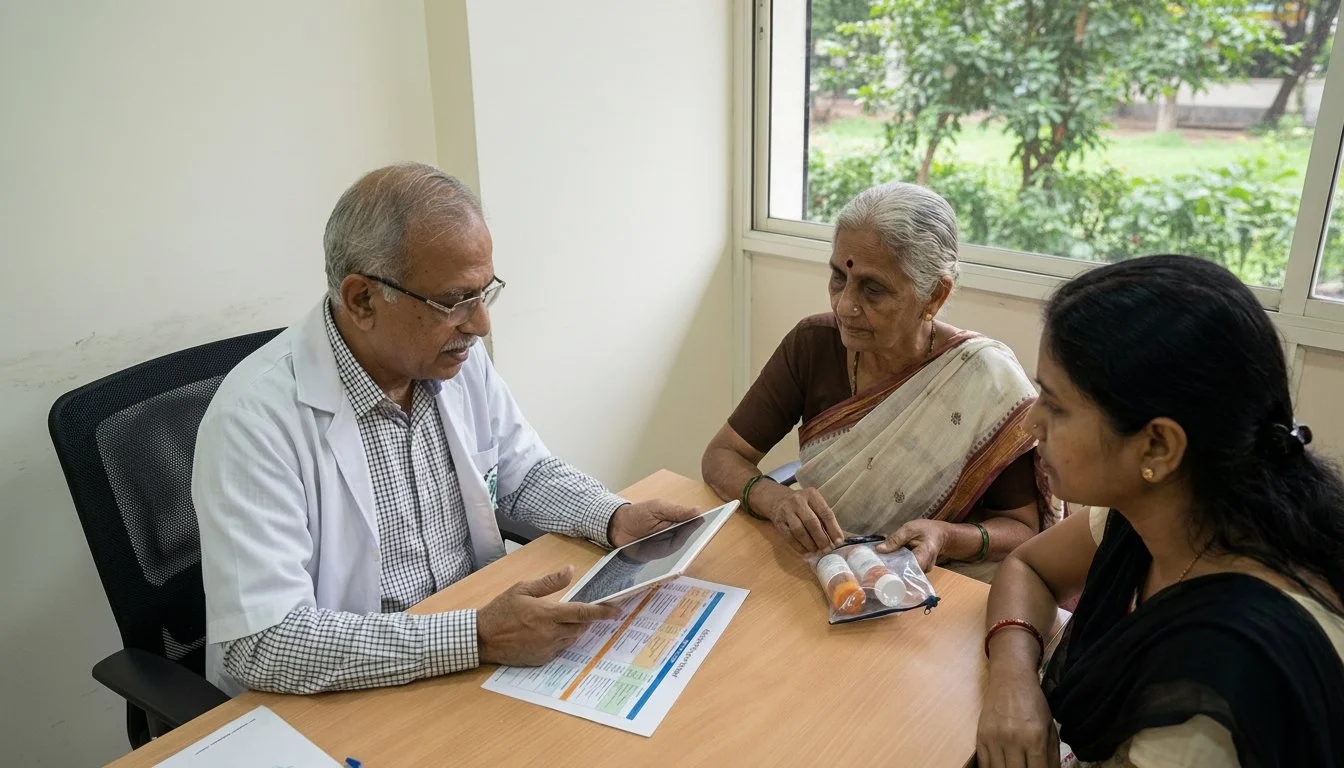
Fewer Medicines, Better Health: Preventing Overmedication in Older Adults
Elderly home monitoring can help reduce unnecessary medications and keep care simple. Learn more about safe medication practices
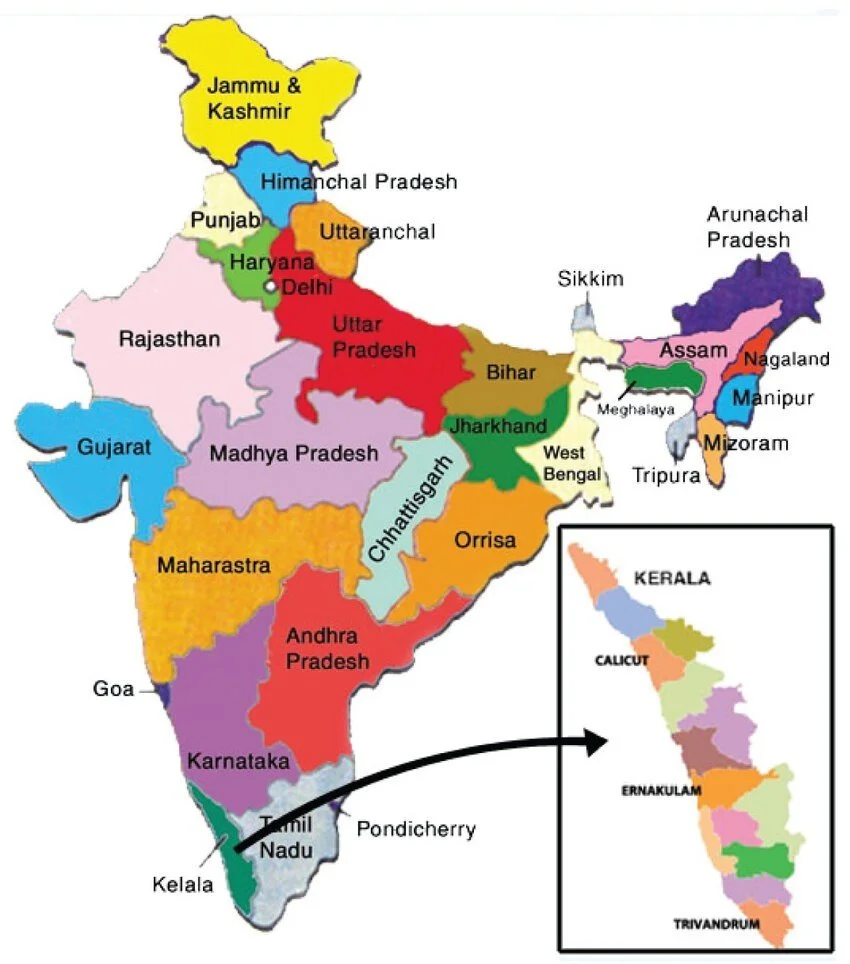
Kerala has the right landscape for elderly friendly care
-
Kerala’s strong community and family bonds create a natural support system for older adults
-
Kerala has the highest internet penetration rate in India at 72%
-
Policies like Vayomitram and Vayoraksha support these initiatives